
What if doctors could stabilize blood pressure using only sound waves? Researchers at Johns Hopkins University are pioneering a way to gently “tickle” the spinal cord with ultrasound to regulate blood pressure. Recently published in Scientific Reports, this approach lays the groundwork for what could become a new class of treatments for people with spinal cord injuries and chronic high blood pressure.
For individuals with spinal cord injuries, the body’s internal “autopilot” for regulating basic functions like blood pressure is often disrupted. This loss of control triggers autonomic dysreflexia, a dangerous condition which causes blood pressure to swing unpredictably, plummeting one moment and surging the next.
In their study, the Hopkins team showed that low-intensity focused ultrasound (FUS) can stimulate specific spinal nerves responsible for these fluctuations. Their findings suggest a future in which some patients could manage their cardiovascular health without the side effects of daily medication or the risks of invasive surgery.
“With focused ultrasound, we’re beginning to ‘speak the language’ of the spinal cord using sound,” said the study’s principal investigator Amir Manbachi, an associate professor of neurosurgery and biomedical engineering and director of the university’s HEPIUS Innovation Laboratory. “What once required drugs or electrodes can now be approached using sound energy to adjust biological settings. It hints at a future where clinicians can fine-tune vital functions using sound alone, bringing a new dimension of control to human physiology.”
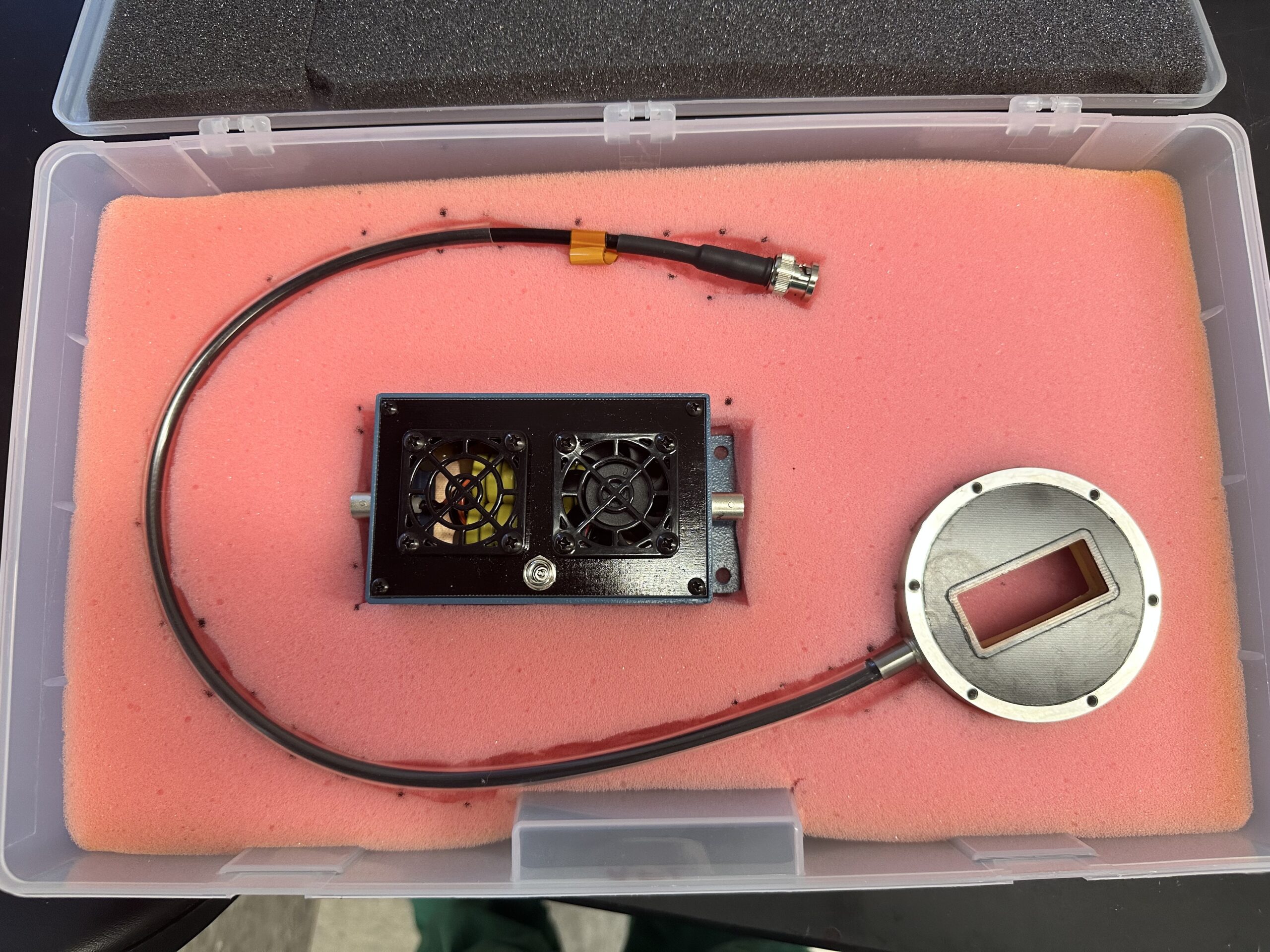
To prove the concept, Manbachi and a multidisciplinary team—including neurosurgeon Nicholas Theodore and biomedical engineer Nitish Thakor—integrated the ultrasound into a surgical workflow. There, they demonstrated that sound waves could effectively ‘turn the dial’ on blood pressure.
While it uses similar technology to diagnostic ultrasound—like that used to image organs or see an infant in the womb—FUS works differently. It focuses sound waves into a single point about the size of a grain of rice.